Rhinoplasty recovery is a gradual process, and the exact timeline varies depending on the work done. Dr. Jose Barrera at Texas Center for Facial Plastic and Laser Surgery offers primary, ethnic, and revision rhinoplasty procedures in San Antonio, TX, with detailed recovery guidance to support healing and preserve long-term results. While recovery time differs, the recovery plan and timeline are usually consistent from patient to patient.
How the Type of Rhinoplasty Can Change Recovery
How does the type of rhinoplasty affect recovery time?
Recovery after rhinoplasty is not always exactly the same because the scope of surgery can vary. Primary rhinoplasty reshapes the bone and cartilage framework and usually involves a temporary splint for about one week. Ethnic rhinoplasty follows a similar early timeline, with most clients feeling dramatically better within several days and returning to many daily activities in about one to two weeks, while still experiencing swelling that gradually improves over many months. Revision rhinoplasty is considered a major operation, so recovery may feel more involved because the nose has already undergone an operation and often needs more complex correction.
Recovery differences may include:
- Primary rhinoplasty with a one-week splint period
- Ethnic rhinoplasty with many daily activities resumed in 1 to 2 weeks
- Revision rhinoplasty with a more major recovery experience
- Longer swelling timelines when more structural work is required
- More detailed follow-up when healing needs close monitoring
Even when the first week looks similar on paper, the complexity of the procedure still matters. A simpler cosmetic refinement may be easier to recover from than a revision case involving repair, rebuilding, or more delicate tissue management.
Getting Your Home Ready Before Surgery
What are ways to set up my home for rhinoplasty recovery?
Preparing your home in advance can make the first week much easier. Recovery instructions emphasize having saline irrigation ready, keeping dressings clean, taking medications as directed, and protecting the nose from unnecessary pressure or activity. It also helps to create a restful setup before surgery so that you can focus on healing instead of scrambling for supplies once you get home.
Helpful ways to prepare for rhinoplasty recovery at home include:
- Keep saline rinse supplies ready
- Have gauze and ointment available for incision care
- Place medications where they are easy to reach
- Prepare a comfortable place to rest more than usual
- Arrange help for the first night after surgery, especially for revision rhinoplasty
It is also smart to think ahead about what you should avoid. Heavy lifting, running, blowing your nose, excessive exertion, and sun exposure are all restricted early in recovery, so having a calmer schedule already in place can make the first stage much smoother.
Sleeping the Right Way After Rhinoplasty
How should I sleep after rhinoplasty surgery?
Sleeping position matters more than many people expect. Recovery guidance for ethnic rhinoplasty specifically recommends sleeping with your head elevated for at least two to three weeks, and that advice makes sense for rhinoplasty recovery in general because swelling control is such an important part of healing. Resting more than usual and protecting the nose from pressure are also part of a smoother recovery plan.
Helpful sleep habits after rhinoplasty include:
- Sleep with your head elevated
- Keep that elevated position for 2 to 3 weeks
- Rest more than you normally do
- Avoid pressure on the nose while sleeping
- Keep the recovery area comfortable and easy to access
This stage is often easier when you plan for it before surgery. A supportive setup can help reduce swelling, make sleep more comfortable, and lower the risk of bumping or disturbing the nose during the early stages of healing.

What Recovery Milestones Usually Look Like
What are the rhinoplasty recovery milestones?
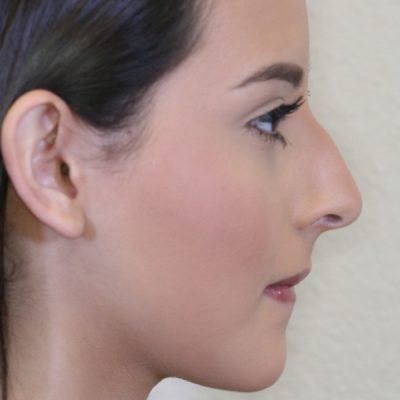
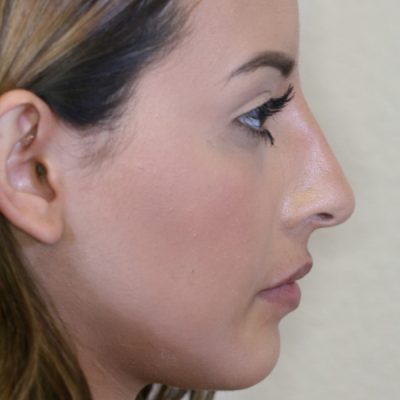
Rhinoplasty recovery usually follows a predictable sequence. During the first week, an external cast is worn and sometimes an internal splint as well. Sutures and splints are commonly removed around five to eight days after surgery. Many people feel much better within several days and are back to many daily activities within one to two weeks, but swelling lasts much longer than that, with about half improving after one month, roughly 70% improving by three months, and about 90% by one year.
Typical rhinoplasty recovery milestones include:
- Cast and possible internal splint during the first week
- Suture and splint removal around days 5 to 8
- Feeling significantly better within several days
- Return to many daily activities in 1 to 2 weeks
- Ongoing swelling improvement over months, with most refinement visible by one year
That longer swelling timeline is important to understand. The early result can look encouraging, but the nose continues refining for many months, which is why patience is such a big part of rhinoplasty recovery.
Schedule Your Rhinoplasty Consultation with Dr. Barrera Today
Dr. Barrera brings specialized rhinoplasty expertise and individualized planning to rhinoplasty in San Antonio, TX. Ready to explore rhinoplasty in San Antonio, TX? Schedule a consultation with Dr. Barrera today.