Surgery After Weight Loss in San Antonio, TX
Facial Rejuvenation After Major Weight Loss with Dr. Jose Barrera
Whether you have lost weight through lifestyle changes, bariatric surgery, GLP-1 medications, or a combination of approaches, you may have been left with issues like loose face and neck skin, sagging along the jawline, deflated under-eyes, and premature facial aging.
Fortunately, Dr. Jose Barrera specializes in post-weight-loss facial rejuvenation in San Antonio, TX, designed to restore structure, balance, and definition.
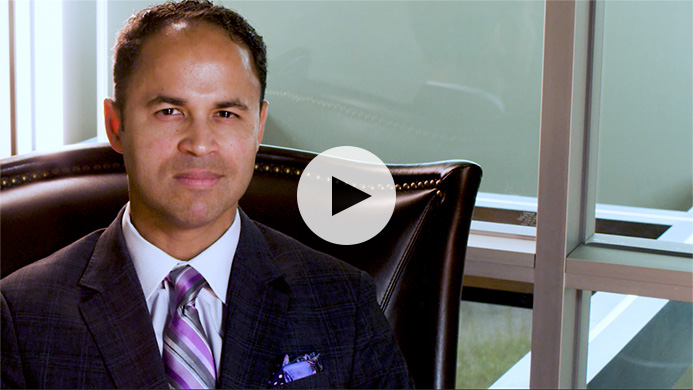
As a triple board-certified facial plastic and reconstructive surgeon in San Antonio, TX, Dr. Barrera focuses exclusively on the face and neck, allowing him to create highly individualized treatment plans for patients experiencing facial volume loss and skin laxity after significant weight changes.
To learn more about how facial surgery after weight loss can help restore facial balance and definition, contact Dr. Jose Barrera in San Antonio at (210) 468-5426 to schedule your consultation.

How Weight Loss Changes the Face
Significant weight loss affects more than the body. Fat loss in the face can change the way skin drapes over the facial structure, especially in patients over 35 or those who lose weight rapidly.
Common facial changes after weight loss include:
- Hollow or sunken cheeks
- Loose skin around the jawline
- Jowling
- Deep nasolabial folds
- A gaunt or tired appearance
- Neck laxity
- Deflated under-eyes
- Loss of facial definition
- Skin wrinkling due to volume depletion
People who lose significant weight on GLP-1 drugs like semaglutide often end up experiencing “Ozempic face.” The medication itself isn’t the problem; it’s that the fat pads in the face shrink faster than the skin can tighten and adjust.
When someone has moderate to severe skin laxity after major weight loss, non-surgical treatments can’t always help. That’s when surgical facial rejuvenation tends to be the most effective option for restoring real structure, definition, and a younger-looking appearance.
Facial Procedures Commonly Performed After Weight Loss
Dr. Barrera customizes every treatment plan based on the patient’s anatomy, degree of facial volume loss, skin quality, and long-term goals. Some patients benefit from a single procedure, while others achieve the best outcome through a combination of surgeries.
Common post-weight-loss facial procedures include:
A facelift is one of the best options for patients dealing with loose skin, jowls, and sagging after major weight loss. Dr. Barrera offers his profound expertise in a variety of facelift techniques, including the full facelift, mini facelift, male facelift, and mid facelift (cheek lift). He is also a leader in deep plane facelift techniques, which go further by addressing the deeper structures of the face, as well as the comprehensive facelift, which incorporates multiple facial rejuvenation methods.
Most patients see noticeable improvements in:
- Jawline definition
- Midface sagging
- Deep folds around the nose and mouth
- Heaviness in the lower face
- Loose skin around the cheeks and mouth
Weight loss frequently leaves excess skin and tissue beneath the chin and along the neck. A neck lift can restore smoother contours and improve the transition between the jawline and neck.
This procedure may address:
- Hanging neck skin
- Platysmal banding
- Loss of neck definition
- Submental fullness
- Skin crepiness
For many post-weight loss patients in San Antonio, a facelift and neck lift are performed together for comprehensive rejuvenation.
The eyes are often one of the first areas to show volume depletion after significant weight loss. Blepharoplasty, or eyelid surgery, can reduce heaviness, puffiness, and excess skin around the eyes while creating a more rested appearance.
Dr. Barrera also performs blepharoplasty with fat transposition techniques in appropriate patients to preserve volume and avoid a hollowed appearance after surgery.
One of the defining features of post-weight loss facial aging is volume loss. Facial fat grafting restores fullness using the patient’s own fat cells.
Fat grafting may improve:
- Hollow cheeks
- Under-eye deflation
- Temple hollowing
- Facial asymmetry
- Thin or aged facial contours
Dr. Barrera frequently combines facial fat grafting with lifting procedures to create softer, healthier, and more natural-looking rejuvenation after weight loss.
Patients who have lost a substantial amount of weight sometimes notice brow descent and heaviness around the upper eyes. A brow lift can elevate the brows and soften forehead heaviness while maintaining natural facial expression.
Weight loss can sometimes exaggerate underlying facial imbalance. In select patients, chin augmentation or mentoplasty procedures can strengthen the jawline and improve facial harmony, especially when combined with neck contouring surgery.
Why Facial Volume Restoration Matters After Weight Loss
Simply tightening loose skin is often not enough after major weight loss. Many patients also need restoration of facial support and contour.
A youthful face is not only tighter. It also has balanced volume distribution.
When facial fat disappears rapidly, patients may develop:
- Sharp facial angles
- Hollow temples
- Flattened cheeks
- Thin skin appearance
- More prominent folds and wrinkles
Dr. Barrera carefully evaluates both skin laxity and facial volume during consultation. In many post-weight loss cases, combining lifting procedures with fat grafting creates softer, healthier, and more natural results.
Good Candidates for Facial Surgery After Weight Loss
Patients considering surgery after weight loss should ideally be near a stable weight before moving forward with facial procedures.
Good candidates often include those who:
- Have maintained stable weight for several months
- Experience facial sagging or hollowing after weight loss
- Are bothered by premature facial aging
- Are in generally good health
- Have realistic expectations
- Want longer-lasting improvement than non-surgical treatments can provide
Patients who are still actively losing large amounts of weight may be advised to wait before surgery to optimize long-term results.
Service and gratitute are a part of my nature. Improving my patient's wellness in terms of breathing, sleep, and self-esteem gives me great satisfaction.
What Happens During Post-Weight Loss Facial Surgery?
Every procedure is customized based on the patient’s anatomy and goals. Some surgeries focus primarily on skin tightening, while others involve repositioning deeper tissues or restoring lost volume.
Depending on the treatment plan, surgery may involve:
- Tightening loose facial and neck skin
- Repositioning facial muscles and deeper tissues
- Removing excess skin
- Refining the jawline and neck contours
- Restoring facial volume with fat grafting
- Rejuvenating the eyelids or brow area
Dr. Barrera performs a detailed facial analysis before surgery to ensure the final result looks balanced, natural, and appropriate for the patient’s facial structure.
Recovery After Facial Surgery Following Weight Loss
Recovery depends on the procedures performed. Patients undergoing combined procedures generally require more downtime than those having isolated treatments.
Typical recovery timelines include:
- Bruising and swelling during the first 1 to 2 weeks
- Gradual improvement over several weeks
- Return to light activity within 10 to 14 days in many cases
- Continued softening and settling over several months
Dr. Barrera and his team provide in-depth post-operative instructions and close follow-up throughout recovery.
Some patients may also benefit from additional recovery support services at the RejuveMD Recovery Center, which is designed to optimize healing and comfort after surgery.
Non-Surgical Options for Mild Post-Weight Loss Facial Changes
Not every patient requires surgery. For individuals with mild skin laxity or early volume loss, non-surgical treatments may help improve facial appearance.
These may include:
However, patients with moderate or severe skin laxity after major weight loss often achieve more meaningful improvement with surgical rejuvenation.
How Much Does Facial Surgery After Weight Loss Cost in San Antonio, TX?
The cost of post-weight loss facial surgery varies depending on the procedures performed, surgical complexity, anesthesia requirements, and whether treatments are combined.
Since these procedures are highly customized, pricing can only be determined after consultation. Dr. Barrera’s team will provide a detailed treatment plan and pricing breakdown once your surgical recommendations are finalized.
Why Choose Dr. Jose Barrera for Facial Surgery After Weight Loss?
Facial rejuvenation after major weight loss requires a different level of surgical planning than traditional cosmetic surgery alone. The goal is not simply tightening skin. It is restoring proportion, support, and natural facial harmony.
Dr. Jose Barrera is a triple board-certified facial plastic and reconstructive surgeon with extensive experience in advanced facial rejuvenation procedures. His award-winning practice focuses entirely on the face, nose, eyes, and neck, allowing for a highly specialized approach to post-weight loss facial surgery.
Patients choose Dr. Barrera because of his:
- Advanced facial plastic surgery expertise
- Personalized surgical planning
- Focus on natural-looking outcomes
- Experience combining lifting and volume restoration techniques
- Attention to long-term facial balance and structure
We transform lives when we remove a self-conscience obstacle for a patient. We transform lives when we help patients be the best version of themselves.
Facial Rejuvenation After Weight Loss in San Antonio, TX
Dr. Jose Barrera offers highly personalized facial rejuvenation procedures for patients throughout San Antonio and surrounding areas who want to address loose skin, hollowing, and facial aging after significant weight loss.
To schedule your consultation, call (210) 468-5426 or contact Dr. Barrera via our online form today.
FAQs About Facial Surgery After Weight Loss
Significant weight loss can reduce facial fat volume, especially in the cheeks, temples, under-eyes, and jawline. While the body becomes leaner, the face may develop hollow areas, loose skin, and deeper folds that create a more tired or aged appearance.
After significant weight loss from GLP-1 medications, many patients are left with facial hollowing and loose skin that doesn’t bounce back on its own. Surgical options can restore lost volume and tighten the skin naturally.
Dr. Barrera will tailor the approach to your face and your goals. He often recommends a facelift, neck lift, facial fat grafting, blepharoplasty (eyelid surgery), or a combination of these procedures depending on what needs attention most.
For many post-weight loss patients, facial fat grafting provides a more comprehensive and natural way to restore facial volume. Fat grafting uses your own tissue and can improve larger areas of hollowing that may not respond as well to traditional fillers alone.
That is one of Dr. Barrera’s primary goals. Facial surgery after weight loss is designed to restore balance and definition while preserving your natural facial character. The goal is not to create an artificial or overly tight appearance.
Some younger patients with strong skin elasticity may experience mild skin tightening over time. However, patients with moderate to severe skin laxity often develop excess facial and neck skin that does not fully retract on its own.
Non-surgical treatments can help mild cases of facial aging and skin laxity. However, patients with more advanced sagging or hollowing after significant weight loss usually achieve better and longer-lasting results with surgical facial rejuvenation.
Pricing depends on the procedures being performed and the complexity of the surgical plan. Because post-weight loss facial rejuvenation is highly individualized, Dr. Barrera provides personalized recommendations and detailed pricing during consultation.