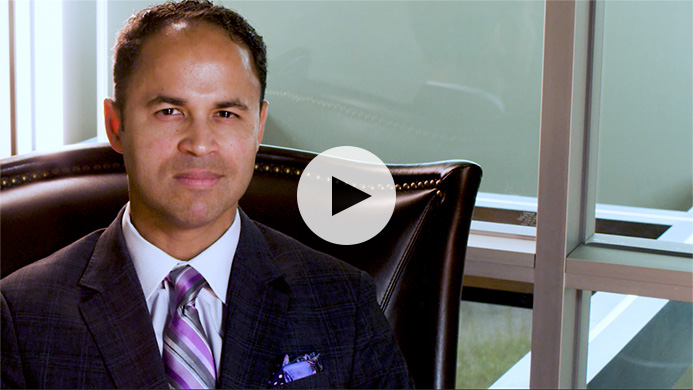
Revision surgery can feel like a difficult decision for patients going through all the surgical steps again after a disappointing result. Dr. Jose Barrera at Texas Center for Facial Plastic and Laser Surgery offers revision rhinoplasty in San Antonio, TX, using advanced nasal surgery techniques to improve breathing, restore support, and refine the appearance after a prior rhinoplasty. Revision surgery differs from the original procedure and is more complex, but many find it worth the investment to gain more comfort, function, and confidence.
How Is Revision Surgery Different From Original Surgery?
Revision rhinoplasty is more complex than a first-time rhinoplasty because the nose has already been surgically altered. Scar tissue may be present, cartilage may have been weakened or removed, and the nasal structure may no longer have the same natural support. This makes surgical planning more detailed because the goal is not only refinement but also repair.
Revision rhinoplasty may involve:
- Working around scar tissue
- Rebuilding weakened nasal support
- Correcting structural changes from prior surgery
- Improving both shape and breathing
- Using cartilage grafts when additional support is needed
Dr. Barrera often performs revision rhinoplasty with an open technique to allow better visibility and access to the nasal framework. Cartilage grafting may be needed from the septum, ear, or rib to restore strength, correct collapse, and create a more stable nasal shape.
Why Would Revision Rhinoplasty Be Recommended?
Revision rhinoplasty may be recommended when prior nose surgery caused or failed to correct concerns about appearance, breathing, or nasal structure. Some patients are unhappy with the cosmetic outcome, while others experience breathing difficulty after surgery. Trauma or injury after a previous rhinoplasty can also alter the nose and necessitate repair.
Revision rhinoplasty may address:
- Breathing difficulties
- Results that did not meet expectations
- Dorsal irregularities or residual humps
- Inverted V or pollybeak deformity
- Nasal valve collapse or structural weakness
Some patients need correction for a crooked nose, short nose, saddle nose deformity, hanging columella, open-roof deformity, or over-resection of the nasal tip cartilage. When the concern is only a small surface irregularity, non-surgical rhinoplasty with fillers may be an option, but structural or breathing problems usually require surgery.
When Is the Best Time for Revision Surgery?
The best time for revision rhinoplasty is usually after the nose has fully healed from the original procedure. Patients are generally advised to wait at least a year before revision surgery so that swelling can resolve, scar tissue can mature, and the final result of the first surgery can be accurately evaluated. Moving too soon can make it harder to distinguish temporary swelling from a true structural concern.
Good timing for revision surgery may include:
- At least one year after the first rhinoplasty
- Persistent cosmetic or breathing concerns
- Stable nasal swelling and scar tissue
- Good overall health
- Realistic expectations for improvement
Patients should schedule an evaluation sooner if breathing problems, collapse, trauma, or major structural concerns are present. Dr. Barrera can determine whether monitoring, non-surgical correction, or revision surgery is the most appropriate next step.
How Can You Ensure Revision Surgery Results Develop as Expected?
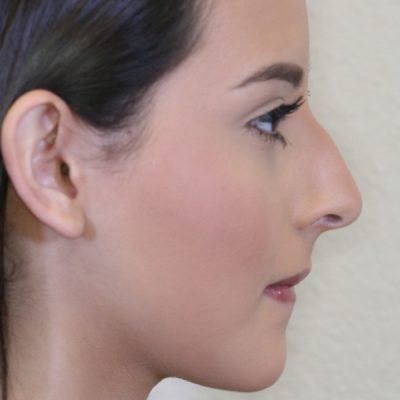
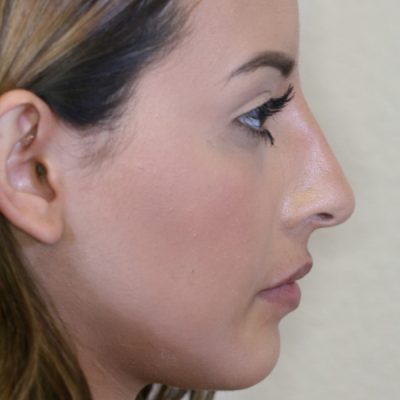
Revision rhinoplasty results depend on surgical technique, healing habits, and careful follow-up. Because swelling is often more pronounced after revision surgery than after a first-time rhinoplasty, patients need patience as the nose gradually refines. Recovery usually involves bruising, swelling, tenderness, and a protective splint to help hold refinements in position while the nose begins to heal.
Patients can support revision results by:
- Taking about one week off work
- Using saline irrigation as directed
- Attending all follow-up appointments
- Avoiding strenuous exercise and heavy lifting until cleared
- Avoiding nose blowing and sun exposure during recovery
Sutures and splints are typically removed 5 to 8 days after surgery. Many patients can resume basic daily activities after the first day, but final healing takes longer because the nose continues to settle as swelling resolves and tissues adapt to the repaired structure.
Schedule a Consultation for Revision Rhinoplasty with Dr. Barrera Today
Dr. Barrera brings dual board certification in facial plastic surgery and otolaryngology to revision rhinoplasty in San Antonio, TX. Ready to explore whether revision rhinoplasty is worth having surgery twice in San Antonio, TX? Schedule a consultation with Dr. Barrera today.