
Deformities of the face and jaw can affect nearly every aspect of a person’s life, including their speech, their ability to properly bite and chew and how comfortable they feel in their own skin. As a triple board-certified surgeon, Dr. Jose Barrera is uniquely qualified to help improve the appearance, health and function of people facing facial and jaw deformities. Read on as Dr. Barrera explains what to know about the surgical treatment of these problems.


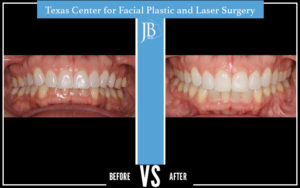
Correction of Skeletal and Dental Deformities
Maxillofacial and dental deformities are abnormalities in the bones or soft tissues of the jaw and face. Common examples include a protruding or receding lower jaw, or irregularities with the bite (i.e., the way the upper and lower teeth fit together when biting or chewing).
Whether the deformities are congenital or acquired (e.g., abnormal growth/development, the outcome of a traumatic injury, surgery or tumor removal), they can severely impact a person’s appearance as well as chewing, speaking and breathing capabilities.
Maxillofacial surgery to correct these deformities can be tremendously beneficial, in both an aesthetic and functional sense. The nature of the surgery depends on the specific deformity, but could include repositioning bones or soft tissues, adding bone or tissue grafts and using plates or screws to secure the bones into their new position. Orthodontics may be used to improve the position and alignment of the teeth.


Treatment of Obstructive Sleep Apnea
Obstructive sleep apnea is a condition in which an obstruction in a person’s airway causes them to stop breathing as they sleep. If left untreated, sleep apnea can increase the risk of life-threatening health problems, including heart disease, stroke and high blood pressure.
Traditionally, sleep apnea has been treated with continuous positive airway pressure (CPAP) machines or with oral appliances that advance the jaw during sleep. Using these devices keeps the airway open and reduces the number of cessations in breath as well as the occurrence of snoring (a common symptom of sleep apnea). However, some patients have a har