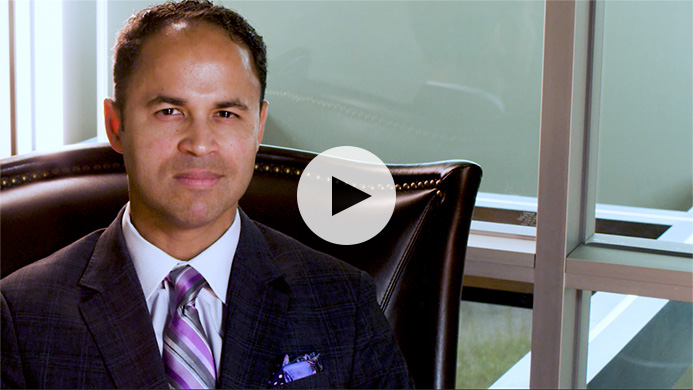
Frequently Asked Questions – Dr. Jose Barrera | Texas Center for Facial Plastic and Laser Surgery
Choosing facial plastic surgery or non-surgical rejuvenation is personal, and it helps to have one place where the most common questions are answered clearly. This FAQ hub covers common questions about Dr. Jose Barrera, consultations, recovery, and the facial procedures and medspa treatments featured here in San Antonio.
If you don’t find the answer you’re looking for, call (210) 468-5426 or send us a message.
Main FAQs
Dr. Barrera is based in San Antonio, Texas. Patients also travel in for facial plastic surgery, rhinoplasty, facelift surgery, and non-surgical rejuvenation through RejuveMD Medspa.
Dr. Barrera is a triple board-certified facial plastic and reconstructive surgeon. His training includes otolaryngology-head and neck surgery and Stanford fellowships in sleep and maxillofacial surgery and facial plastic and reconstructive surgery.
Dr. Barrera focuses heavily on facial plastic surgery and facial rejuvenation. These include rshinoplasty, preservation rhinoplasty, revision rhinoplasty, non-surgical rhinoplasty, facelift, deep plane facelift and deep neck lift, minimally invasive facelift and brow lift, Botox and Dysport, dermal fillers, and Fotona facial rejuvenation.
Most cosmetic procedures are generally self-pay. The best way to review your specific situation is during a consultation.
You can schedule a consultation by contacting Dr. Barrera’s office online or by phone at (210) 468-5426
Out-of-town resources are available for patients traveling in for treatment. Consultation is the best place to confirm the most appropriate appointment format for your needs.
Financing is available. That conversation is usually easiest to review alongside treatment planning and timing.
Dr. Barrera serves patients in San Antonio and the surrounding region. Out-of-town resources are also available for patients coming in from farther away.
Your first consultation should include a discussion of your goals, anatomy, treatment options, and recovery expectations. It is also the time to decide whether surgery, injectables, laser treatment, or a combined approach makes the most sense.
Dr. Barrera combines focused facial plastic surgery training with a broad range of both surgical and non-surgical facial options. That gives patients more flexibility when deciding between structural change, less invasive treatment, or a longer-term combination plan.
Rhinoplasty FAQs
A good rhinoplasty candidate is usually someone in good overall health who wants to improve nasal shape, balance, or function. Some patients are focused on a bump, width, or tip shape, while others also want to address breathing concerns at the same time.
Yes, in many cases it can. The nose is not only a cosmetic feature at the center of the face. It also plays an important functional role, so a strong rhinoplasty plan should consider both shape and airflow when appropriate.
That usually comes down to what bothers you most now and how much of your natural nasal character you want to keep. Patients are often happiest when the goal is overall facial harmony instead of trying to copy someone else’s nose.
A well-planned rhinoplasty should not make you look like a different person. The goal is usually to improve proportion and balance while still preserving a result that fits your facial features naturally.
You will see change early, but the final result takes time. Swelling improves in stages, and the nose continues refining for many months, especially through the tip.
It helps to ask what changes are realistic for your anatomy, whether breathing is part of the concern, and whether your goals are better suited for surgical or non-surgical treatment. Clear priorities usually lead to a more effective plan.
Yes, depending on your goals. Some patients consider combining rhinoplasty with other facial procedures when more than one feature affects balance and proportion.
No. Readiness, health, facial maturity, and clear goals usually matter more than focusing on a specific age.
Recovery often includes swelling, congestion, and a visible healing period before the nose starts looking more settled. Most patients need patience, because the nose usually refines much longer than the first few weeks suggest.
Preparation makes recovery easier and expectations clearer. Helpful steps include:
- Identifying the exact changes that you want most
- Thinking about both breathing and appearance goals
- Planning enough downtime for early healing
- Following medication and smoking instructions carefully
- Understanding that the final result develops gradually
Patients usually feel more confident when they understand rhinoplasty as a staged healing process. Good preparation also makes the first part of recovery much less stressful.
Preservation Rhinoplasty FAQs
Preservation rhinoplasty is a technique that focuses on maintaining more of the natural nasal framework rather than aggressively taking the nose apart and rebuilding it. It often appeals to patients who want refinement with a more tissue-conscious approach.
The main difference is the surgical philosophy. Preservation rhinoplasty is designed to preserve more of the nose’s natural structures when the anatomy and goals make that possible, rather than relying on more disruptive structural changes from the start.
Patients who want a more natural-looking refinement and whose nasal anatomy fits this approach may be good candidates. It is not the right choice for every nose, but it can be a strong option when the concern is well matched to the technique.
Yes. Preservation does not mean minimal change. It means the change is created in a way that aims to respect and maintain more of the nose’s existing support and shape.
That is one of the biggest reasons patients are interested in it. A more preservation-focused technique is often chosen by people who want a smoother, more balanced result without an over-operated appearance.
Not necessarily. The right candidate can still achieve meaningful refinement, but the success of the technique depends on anatomy and planning rather than assuming it works for every concern.
That is best determined during consultation. The key question is whether your anatomy allows the desired change while still preserving the structures this approach is designed to maintain.
It may, depending on the nasal issues involved. A complete evaluation should always include both form and function whenever breathing or support are part of the concern.
Ask whether your anatomy truly makes you a good candidate, how this differs from other rhinoplasty techniques in your case, and what kind of recovery and result you should realistically expect.
Preparation is easiest when you understand why this specific technique interests you. Helpful steps include:
- Deciding whether natural-looking refinement is a top priority
- Thinking about whether preserving more structure matters to you
- Asking how this approach compares with standard rhinoplasty for your nose
- Planning enough time for recovery
- Staying realistic about swelling and gradual refinement
Patients usually make better decisions when they choose preservation rhinoplasty for a clear reason. A well-focused consultation helps determine whether the technique truly fits the anatomy.
Revision Rhinoplasty FAQs
Patients seek revision rhinoplasty when a prior nose surgery did not create the appearance or function they wanted. Common reasons include asymmetry, collapse, breathing issues, persistent contour concerns, or a result that simply does not feel balanced.
Revision surgery is usually more complex because the anatomy has already been altered. Scar tissue, reduced support, and limited remaining cartilage can all make planning and execution more demanding than primary rhinoplasty.
Yes, in many cases it can. Some patients seek revision because the original surgery changed airflow or left structural weakness that now affects breathing as well as appearance.
Not always, but grafting is common in revision work because the nose may need added support or rebuilding. The exact plan depends on what structures remain and what needs correction.
Most patients need to wait until healing from the first surgery has progressed enough to judge the final result more accurately. Acting too early can make it harder to separate true long-term concerns from temporary swelling or healing changes.
In many cases, yes, but it often requires reconstruction rather than further reduction. The solution may focus more on restoring shape and support than on simply reshaping the surface.
Patients are often happiest when they come in with clear priorities and realistic expectations. Revision surgery is usually about meaningful improvement and stability, not chasing perfect symmetry or a flawless ideal.
It helps to explain what changed after your first surgery, what still bothers you most, whether you have breathing issues, and what kind of improvement would feel successful to you now.
Recovery often feels similar in some ways to first-time rhinoplasty, but healing can be less predictable because of scar tissue and prior changes. Patience is especially important in revision cases.
Revision planning works best when your priorities are clear. Helpful preparation often includes:
- Identifying whether the issue is shape, support, breathing, or all three
- Gathering prior operative details if you have them
- Thinking about what improvement would feel realistic
- Allowing enough healing time before deciding on revision
- Understanding that revision may be more complex than the first surgery
Patients usually feel more prepared when they approach revision as problem-solving rather than starting over from scratch. A clear sense of priorities makes the consultation much more productive
Non-Surgical Rhinoplasty FAQs
Non-surgical rhinoplasty uses injectable filler to improve selected nasal contour concerns without surgery. It is often chosen by patients who want to smooth a profile irregularity or refine shape in a temporary, less invasive way.
It can sometimes improve small contour irregularities, mild asymmetry, or profile concerns where adding strategic volume helps create a smoother outline. It is best for selected shaping issues, not every rhinoplasty concern.
Surgical rhinoplasty changes the structure of the nose. Non-surgical rhinoplasty uses filler, so it can camouflage certain irregularities, but it does not reduce size, correct major structural issues, or provide a permanent result.
Good candidates are usually patients with limited contour concerns who want a temporary option and understand the limitations of filler. It can also appeal to people who want to preview a possible change before considering surgery.
No. Because filler adds volume, it can improve certain shapes by balancing contours, but it does not truly make the nose smaller.
That depends on the filler used and how your body metabolizes it. The result is temporary, so maintenance is part of choosing this option.
It is less invasive than surgery, but it is still a highly technique-sensitive treatment. The nose is a complex area, so patients should take it seriously and choose carefully.
Not when the concern is size reduction, major reshaping, or significant breathing issues. It is best viewed as a selective contouring option rather than a substitute for full rhinoplasty.
Ask whether your goals are realistic with filler, how temporary the result is likely to be, and whether the concern would actually be better addressed with surgery.
Preparation is easiest when you understand both the strengths and limits of filler in the nose. Helpful steps include:
- Deciding whether your concern is small-scale contouring or larger reshaping
- Asking how temporary maintenance fits your goals
- Thinking about whether you want a preview or a long-term answer
- Avoiding the assumption that filler can solve every nasal concern
- Staying open to surgical rhinoplasty if that is the better fit
Patients usually do best when they choose non-surgical rhinoplasty for the right reason. Clear expectations are a major part of satisfaction with this treatment.
Facelift FAQs
A facelift usually makes more sense when the main concern is sagging, jowling, or loss of definition rather than wrinkles alone. When facial tissues have descended, surgery often becomes the more direct and effective option.
A facelift can improve heaviness through the lower face, jowls, deeper folds, and loss of contour around the cheeks and jawline. Many patients seek it when they feel their face looks older or more tired than they feel.
A well-planned facelift should not deliver a pulled or windblown look. Most patients want a fresher, more rested appearance without looking like they had obvious surgery.
Yes. Jawline definition is one of the most common reasons patients choose facelift surgery, especially when lower-face heaviness has become more noticeable.
Yes, it is often a very effective approach. The lower face and neck usually age together, so combining them can create a more balanced and complete result.
Results can last for years, although natural aging still continues. Patients often choose facelift surgery because it creates a stronger reset than temporary treatments can provide.
There is no single correct age. The better question is whether your anatomy, goals, and health make surgery the right choice at this stage.
It helps to ask what type of facelift fits your aging pattern, whether the neck or eyes are also contributing to the issue, and what kind of recovery and result are realistic for you.
Recovery usually includes swelling, bruising, and a visible healing period before patients feel comfortable returning to work or social events. Planning enough time makes a big difference.
A smoother recovery often starts with better planning before surgery. Helpful steps include:
- Thinking clearly about which facial changes bother you most
- Planning enough downtime away from work and events
- Setting up help for early recovery if needed
- Following medication and smoking instructions closely
- Understanding that the final result improves in stages
Patients usually feel more confident when the goals are specific from the beginning. Good preparation makes the healing process easier to manage.
Deep Plane Facelift and Deep Neck Lift FAQs
A deep plane facelift works on the deeper muscle and facial fat layers, while a deep neck lift focuses on improving contour under the jaw and through the neck. Together, they are often chosen to create stronger lower-face and neck definition.
A traditional facelift tends to rely more on surface-level tightening, while a deep plane facelift works with deeper tissues underneath the skin. This approach often appeals to patients who want a more natural-looking lift without a stretched appearance.
It may be a strong option when the lower face and jawline are major concerns. Patients often ask about this technique when they want stronger jawline definition along with improvement in the cheeks and neck.
That is one of the biggest reasons patients consider it. By lifting deeper tissues and allowing the skin to redrape more naturally, the goal is usually a fresher look without a pulled effect.
Patients with visible jowling, displaced facial fat, neck bands, or a softer jawline may be especially interested in this combination. It is often a better fit for people who want more comprehensive lower-face and neck rejuvenation.
Yes, it is generally considered a more intricate surgery. Patients often choose it when they want a stronger structural lift rather than a more limited tightening approach.
It can, especially when the area under the jaw is part of what is aging the face overall. The neck often has a major effect on how youthful or heavy the lower face appears.
Ask whether your anatomy is a better fit for deep plane techniques, how much neck work you need, and whether the improvements you want truly require a more advanced approach.
Recovery includes the usual swelling and bruising of facelift surgery, and patients should be ready for a real healing period before the neck and jawline look more settled. Planning enough time is especially important with a more involved procedure.
Preparation is easier when you understand why this approach appeals to you. Helpful steps include:
- Deciding whether jawline and neck definition are top priorities
- Thinking about whether you want a more comprehensive lower-face lift
- Planning enough recovery time for visible healing
- Asking how this differs from other facelift options in your case
- Understanding that the final contour settles gradually
Patients usually make better decisions when they choose this technique for a clear reason. The more specific your concerns are, the easier it is to decide whether a deeper approach is truly the right fit.
Minimally Invasive Facelift and Brow Lift FAQs
Ideal patients are usually healthy, well-informed, and have realistic expectations. This option often appeals to people with earlier signs of aging who want improvement without a more extensive operation.
The main appeal is a less extensive approach with shorter incisions and a shorter recovery than a traditional facelift. It is often most attractive to patients whose concerns do not yet require full facelift surgery.
Yes. It may be a good option for patients who want earlier intervention and visible rejuvenation without jumping straight to a more extensive operation.
Patients who want targeted upper-face improvement with less downtime may be interested in a minimally invasive brow approach. It can appeal to those who want a fresher upper face without a longer recovery period.
Recovery is typically around four weeks, although many side effects improve earlier than that. Patients often return to work sooner, depending on healing and the details of the procedure.
Recovery is usually shorter than facelift recovery. A minimally invasive brow lift often takes around two weeks to settle, and a lateral brow lift may allow return to work much sooner
Yes, many patients can. Returning to work depends on healing, but an earlier return is one of the reasons patients often consider this option.
That is one of the goals. Incisions are designed to be discreet and placed in areas like the hairline or around the ears where they are less obvious.
Ask whether your concerns are mild enough for this approach, how it compares with non-surgical options, and whether you would get a better result from a traditional facelift instead.
Preparation still matters even though the surgery is less extensive. Helpful steps include:
- Deciding whether you want a shorter recovery more than a larger correction
- Thinking about whether your concerns are early or more advanced
- Planning time away from work even if recovery is faster
- Following pre-op instructions closely
- Asking whether fillers or Botox may also be part of the plan
Patients usually do best when they understand that less invasive still requires real healing. Choosing the procedure for the right stage of aging is what makes it worthwhile.
Botox and Dysport FAQs
Botox and Dysport are best for dynamic wrinkles caused by repeated facial movement, such as forehead lines, crow’s feet, and frown lines. They are usually chosen when the issue is muscle activity rather than loose skin or volume loss.
Botox and Dysport relax targeted muscles, while fillers restore or add volume. They often complement each other well, but they solve different problems.
Yes. Natural looking results usually come from thoughtful dosing and placement rather than trying to eliminate every expression line.
Good candidates are often adults who want to soften active expression lines or help keep those lines from becoming more deeply etched over time.
Results usually develop gradually over several days rather than instantly. Many patients see fuller improvement within one to two weeks.
It should not when treatment is planned and administered well. Most patients want smoother skin while still keeping normal expression and movement.
Most patients repeat treatment several times a year, although timing varies based on how quickly the effect fades and how smooth they want to stay.
No, not when the concern is true facial sagging or structural descent. These treatments are best for dynamic or movement-related wrinkles, not for repositioning tissues.
It helps to ask which lines are truly caused by muscle movement, how natural the result can look, and whether Botox or Dysport is the best fit for your overall concerns.
A strong long-term plan usually stays simple and consistent. Helpful habits include:
- Treating the right problem instead of expecting it to do everything
- Following aftercare instructions carefully
- Staying consistent with maintenance timing
- Pairing treatment with good skin care and sun protection
- Choosing a natural goal instead of a frozen look
Patients usually stay happiest when the result feels polished but still looks like them. A balanced approach nearly always looks better over time than over-treating.
Dermal Fillers FAQs
Dermal fillers are commonly used for facial volume and contour support. More broadly, fillers are often used to soften hollows, folds, and age-related volume loss without surgery.
Fillers add or restore volume, while Botox and Dysport soften movement-related wrinkles. A patient may benefit from one or both depending on whether the main issue is hollowing, folds, or active facial movement.
Yes. Natural filler results usually come from restraint, balance, and placing product where real support is needed rather than simply adding volume everywhere.
Good candidates are often patients who want to soften facial hollows, restore volume, or improve contour without surgery. They are typically looking for visible improvement with less downtime.
Juvéderm and Sculptra are commonly used options for facial rejuvenation and contour support. Different products may be better suited for different areas and treatment goals.
Not when the main concern is sagging or tissue descent. Fillers are usually better for volume-related concerns than for lifting heavier lower-face aging.
That depends on the product used, the area treated, and how your body metabolizes filler. Some patients prefer them because they are temporary and adjustable, while others prefer surgery for longer-term structural change.
It helps to ask whether the issue is truly volume loss, what type of filler fits that area, and whether you want restoration, contouring, or a subtle enhancement.
Most filler treatments involve minimal downtime, but some temporary swelling, tenderness, or bruising can happen. Patients usually appreciate how easily treatment fits into normal life.
A natural filler plan usually works best when the goal is support and balance. Helpful guidelines include:
- Treating areas of real volume loss
- Choosing products based on the anatomy of each area
- Building gradually when subtlety matters
- Reassessing before repeating treatment
- Staying open to other options if filler is not the best tool
Patients usually stay happiest when filler is used strategically. Quiet support nearly always looks better over time than overcorrection.
Fotona Facial Rejuvenation FAQs
Fotona facial rejuvenation is a non-surgical option for facial refreshing and skin improvement. It is often considered by patients who want visible rejuvenation without moving straight to surgery.
Patients who want a non-surgical option for facial rejuvenation may be interested, especially if they are not ready for a facelift but still want visible improvement in how the face looks.
Facelift surgery repositions facial structures, while Fotona is a non-surgical option. Patients usually consider Fotona when they want rejuvenation with less downtime and without an operation.
Yes. It may be worth considering for people who want to improve facial aging in a less invasive way before deciding whether surgery makes sense later.
Not when the concern is significant tissue descent or heavier lower-face aging. It is usually best viewed as a non-surgical rejuvenation option rather than a substitute for surgical lifting.
Patients often ask about it when they want improvement but prefer a treatment that feels more approachable than surgery. It can be especially appealing to people focused on maintenance or earlier intervention.
That usually depends on whether your concern is mostly skin quality and early aging or whether you are dealing with heavier sagging that needs structural correction. Consultation is the best place to sort that out.
Yes. Patients may use non-surgical facial rejuvenation as part of a broader facial maintenance plan, either on its own or alongside other treatments.
Ask what concerns this treatment is best suited for, how many sessions may be needed, and whether your goals are realistic without surgery.
Preparation is usually easiest when your goals are clear. Helpful steps include:
- Deciding whether you want maintenance or more meaningful correction
- Thinking about whether you are trying to avoid surgery for now
- Asking how Fotona compares with fillers, Botox, or facelift options
- Planning around any short-term redness or healing needs
- Staying realistic about what a non-surgical treatment can and cannot do
Patients usually do best when they choose Fotona for the right stage of aging. A consultation helps clarify whether it is a strong fit or whether a different approach would serve you better.
Cirugía de estiramiento facial FAQs
La cirugía de estiramiento facial puede ayudar a mejorar arrugas, líneas finas, flacidez de la piel y grasa desplazada en el rostro. También suele combinarse con el estiramiento de cuello cuando la parte inferior de la cara y el cuello están envejeciendo al mismo tiempo.
Generalmente, el estiramiento facial tiene más sentido cuando el problema principal es la flacidez, la pérdida de definición y el descenso de los tejidos. Los tratamientos no quirúrgicos pueden ayudar con líneas o textura, pero no reposicionan la estructura facial de la misma manera.
resultado se vea exagerado o poco natural.
Sí. Puede combinarse con otros procedimientos para mejorar el equilibrio general del rostro, incluso en algunos casos junto con rinoplastia.
Los mejores candidatos suelen ser personas sanas, con expectativas realistas, que quieren corregir signos visibles de envejecimiento facial. También suelen buscar una mejoría más duradera que la que ofrecen los tratamientos temporales.
Los resultados pueden durar muchos años, aunque el proceso natural de envejecimiento continúa después de la cirugía. La ventaja es que el rostro parte de una posición más rejuvenecida.
Conviene preguntar qué tipo de estiramiento facial se adapta mejor a su anatomía, si también necesita tratamiento en el cuello y qué nivel de mejoría puede esperar. También es útil hablar del tiempo de recuperación y de si conviene combinar otros procedimientos.
La recuperación suele incluir inflamación, moretones y un periodo visible de cicatrización antes de volver a la rutina social normal. La mayoría de los pacientes se sienten más tranquilos cuando planean tiempo suficiente en lugar de apresurar el regreso al trabajo o a eventos.
Sí, dependiendo del grado de envejecimiento y de las metas del paciente. En algunos casos, un mini lifting puede ofrecer una mejoría útil cuando no se necesita un enfoque tan amplio como un lifting facial completo.
La preparación adecuada suele hacer todo más manejable. Pasos útiles incluyen:
- Pensar claramente qué cambios faciales le molestan más
- Planear suficiente tiempo para la recuperación
- Seguir cuidadosamente las instrucciones preoperatorias
- Evitar fumar y comentar medicamentos importantes antes de la cirugía
- Entender que el resultado final mejora por etapas
Los pacientes suelen sentirse más seguros cuando llegan a cirugía con metas claras y expectativas realistas. Una buena preparación también facilita mucho las primeras semanas de recuperación.
Schedule a Consultation with Dr. Barrera
Facial plastic surgery and non-surgical rejuvenation work best when the plan is built around your anatomy, your goals, and the kind of change that makes sense for your life. Call (210) 468-5426 to schedule a consultation with Dr. Barrera or send us a message.